A Close-Up Look at Vispring and Naturepedic: Craft, Comfort, and Certifications in Luxury Bedding
A detailed comparison of two premium brands and how their material choices, craftsmanship, and certification programs translate into sleep quality and longevity.
In the realm of high-end bedding, Vispring and Naturepedic stand as touchstones for consumers who insist on natural materials, meticulous craftsmanship, and rigorous standards. Their respective approaches illuminate how luxury bedding can be both deeply comfortable and environmentally mindful. This piece examines the core material philosophies of each brand, how certifications communicate value to discerning buyers, and the design decisions that manifest comfort and resilience over years of use.
Vispring, with a lineage tracing back to traditional upholstery techniques, has long prioritized layering natural materials — wool, horsehair, cotton, and cashmere blends — around a robust spring system. Naturepedic, by contrast, situates itself within a modern green consciousness, emphasizing organic and ethically sourced components across its mattress lines. Both brands, though distinct in mood and history, share a commitment to sleep surfaces that honor the body and the environment.
Material Philosophies: Natural Luxury vs. Organic Certainty
Vispring’s craftsmanship speaks a language of tactile abundance. A Vispring mattress is often described as an orchestration of layered natural fibers, beneath a hand-finished cover. The Cashmere Superb, for example, embodies a philosophy where warmth is carefully managed by a ticking that blends cashmere with silk and viscose. The result is a surface that feels invitingly soft against the skin, yet controlled in its breathability. The interior construction demonstrates a deliberate equilibrium: a base of wool and cotton provides compressive support, followed by horsehair that introduces resilience without sacrificing contouring. The inclusion of Shetland wool and cashmere adds a refined texture, while a spring core — formed by multiple layers of hand-nested pocket springs — responds to micro-movements with subtlety and precision.
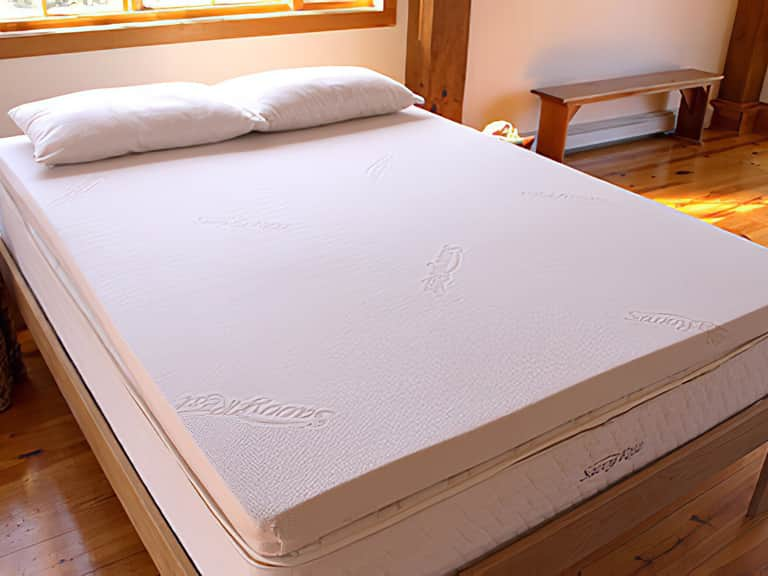
Naturepedic, while equally concerned with comfort, anchors its design in organic integrity and safety certifications. The brand’s bed systems tend to foreground a chain of certifications that attest to organic content, reduced chemical exposure, and carefully controlled manufacturing processes. The emphasis on organic cotton, natural latex in some lines, and responsibly sourced fibers aligns with a consumer expectation that sustainability and health are inseparable from a good night’s rest. In practice, Naturepedic mattresses translate these commitments into surfaces that feel balanced and inviting, with a focus on minimizing off-gassing and maintaining a comfortable microclimate through breathable materials.
When we speak of comfort, the conversation inevitably touches on support. Vispring achieves this through an arrangement of natural materials curated for their density, weight, and loft, combined with a resilient spring system. Journal-worthy demonstrations of edge-stability and perimetral stitching are not mere showpieces; they are functional decisions designed to preserve the sleeping surface’s depth and uniformity over years of use. Naturepedic achieves similar longevity by aligning the firmness and contouring with organic layers that maintain their feel while resisting compression and deformation. Both brands understand that the long arc of comfort depends on a resilient core, paired with surfaces that breathe and respond to body heat.
Certifications and Transparency: What the Labels Really Mean
Certifications serve as a bridge between artisanal luxury and consumer trust. Vispring’s pedigree often signals a long tradition of manual techniques and premium materials, but its value proposition is reinforced by demonstrable construction choices — the use of hand-tied tufts, edge-stitching, and a multi-layered upholstery concept that maintains depth and consistency across the sleeping surface. The certificate trail, while not always single-cause in marketing language, speaks to the quality and longevity of the product. Buyers are often drawn to the visible evidence of craftsmanship: the careful alignment of fibers, the integrity of the border, and the measured distribution of weight across the surface.
Naturepedic’s language of certifications is explicit and accessible. The brand leans into standards that attest to organic content, chemical safety, and lifecycle considerations. For a consumer, these labels function as practical guides: organic cotton covers that avoid flame retardants without compromising safety, latex that is certified for quality and safety, and a supply chain that is verifiable. This transparency is not only about health; it also reassures buyers that the product’s environmental footprint is considered at multiple stages — from raw material cultivation to finished goods.
Across both brands, certification programs are more than marketing; they are a language that communicates proof points. They enable informed comparisons for shoppers who care about sleep quality as much as the environmental and social stories behind their purchases. In a market saturated with options, certifications offer a navigable framework for evaluating material purity, manufacturing ethics, and the long-term performance of a mattress.
Craft, Details, and the Sleep Experience
The craft of a Vispring mattress is a study in patience and precision. The process begins with selecting natural fibers in carefully calibrated blends, followed by an upholstery sequence designed to achieve a particular feel — from the initial softness to the core support, and eventually the edge-lateral stability. The brand’s use of two layers of independent pocket springs in larger formats illustrates a design principle: movement on one side should not disturb the other, preserving sleep continuity for couples and differing sleep rhythms. The hand-tied tufts and the meticulous border stitching are not cosmetics; they anchor layers in place and ensure that the depth profile remains consistent across the surface.
Naturepedic’s craft emphasizes clean lines, safety, and a disciplined approach to layering. The company’s organic materials and certifications guide every stage of production, from cotton to latex to quilting. A bed built with Naturepedic components is designed to maintain a balanced microclimate, with breathable layers that prevent overheating and provide a comfortable contour for the body. The craftsmanship is visible not only in the final feel but in the confidence that the materials used are free of harmful chemicals and sourced with care for the workers who produce them.
Comfort, at its core, is a function of how a mattress distributes pressure and accommodates a sleeper’s shape and movements. Vispring’s multi-material layering can yield a surface that is soft to the touch yet supportive at the center, while Naturepedic’s emphasis on organic materials can offer a slightly crisper initial feel with a responsive rebound that remains comfortable through the night. The best luxury bedding programs acknowledge that personal preference matters: some sleepers favor a surface that cushions deeply, others seek a stable, low-motion experience. Both Vispring and Naturepedic provide pathways to meet those preferences while maintaining a standard of excellence in materials and construction.
Consumer Guidance: Choosing Between Craft and Certification
For a buyer navigating Vispring versus Naturepedic, several criteria emerge as decisive. First, consider the preferred sleep surface: a Vispring model often rewards those who enjoy a plush, layered feel and are patient with a slower breakdown-in period as the materials settle. Naturepedic tends to appeal to buyers who prioritize organic content, minimal chemical exposure, and straightforward comfort with a clear organic story. Second, assess the durability and maintenance implications. A hand-tufted, edge-stitched surface may age gracefully but can require specialized care to preserve its feel. An organic-labeled mattress that emphasizes safety certificates often promises simpler maintenance with a reliable long-term profile, particularly for households with sensitivities or children.
Third, investigate the brand’s transparency. Certifications matter not only as badges but as a window into supply chains and manufacturing. Ask questions about fiber origins, the presence of flame-retardant chemistries, and the lifecycle of the product. Finally, test the feel for your body: lie down in multiple positions, assess pressure relief, spine alignment, and temperature regulation. The most satisfying luxury bedding experiences deliver consistency across the night and longevity over years.
Product Spotlight: A Practical Look at a Vispring Option and an Organic Counterpart
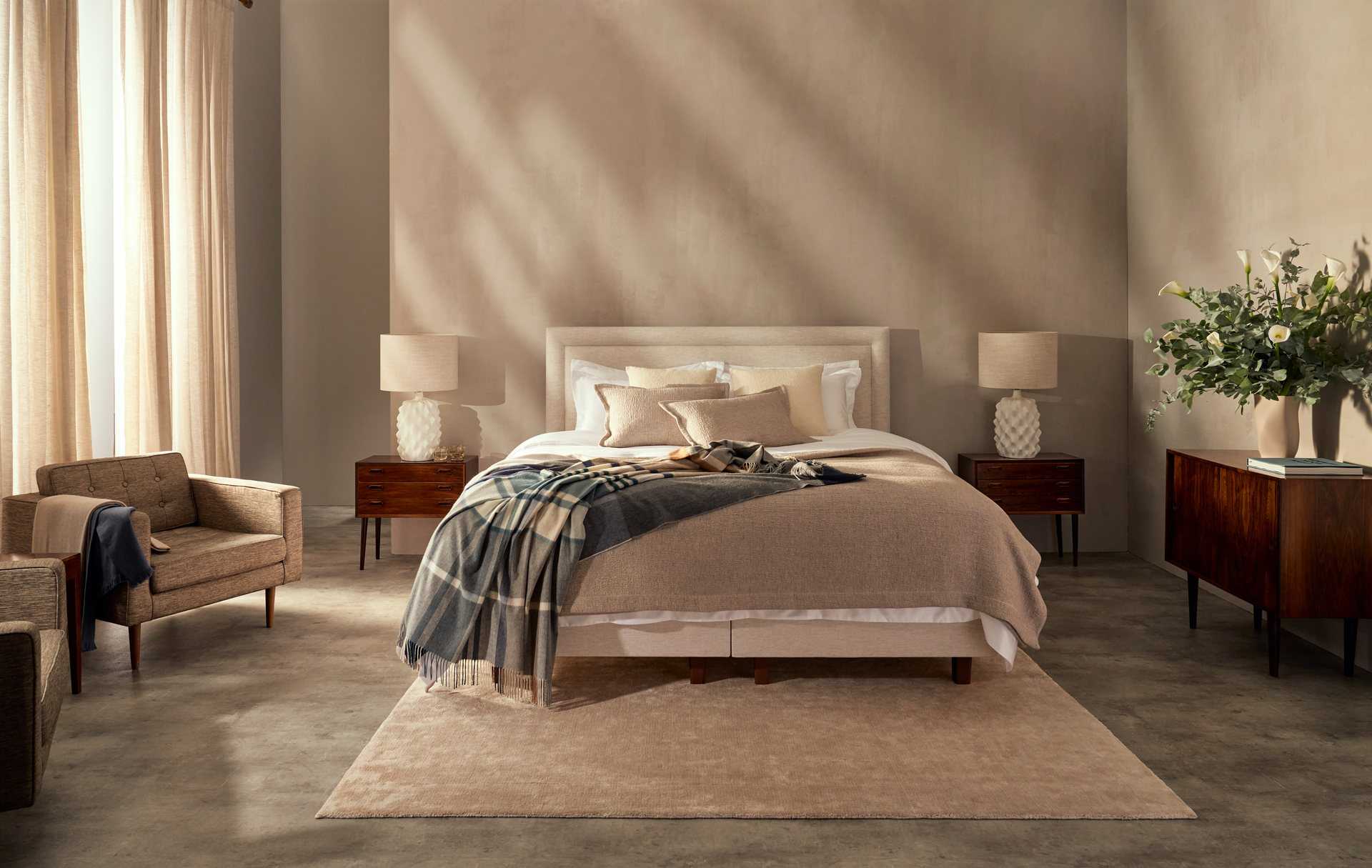
Within Vispring’s portfolio, the Cashmere Superb stands as a pinnacle example of the brand’s philosophy: a richly layered construction that uses cashmere among other noble fibers to deliver warmth, softness, and a sense of indulgence. While this specific model is a prime embodiment of Vispring’s premium approach, its presence in a broader market conversation highlights how luxury brands translate textile artistry into an everyday sleep surface. The combination of cashmere and complementary fibers creates a tactile experience on which the skin can rest, while the underlying spring system ensures stability and responsiveness to movement.
An organic alternative with a comparable commitment to safety might be found in Naturepedic’s natural-latex offerings or other lines that place organic cotton and responsibly sourced materials at the forefront. Although the exact model may differ in feel, the underlying principle is consistent: the surface should feel comfortable in the moment while maintaining health-conscious design choices over the long term. A consumer choosing between these paths can rely on the certifications and the tactile cues of the test lie-downs to guide their decision.
Conclusion: Luxury Bedding Redefined by Craft and Certainty
Vispring and Naturepedic, though rooted in different traditions, converge on a shared ambition: to translate the language of luxury into meaningful sleep experiences. Craft that respects natural fibers and meticulous upholstery, paired with a certification framework that communicates safety, ethical sourcing, and environmental mindfulness, allows consumers to invest in more than just a mattress; they invest in a sleep ecosystem. The result is a product that feels special at first touch and continues to deliver comfort with a conscience as the years unfold.
For readers of discerning taste and practical curiosity, the enduring takeaway is clear: when evaluating premium bedding, look beyond the surface. Examine the material stack, the construction method, and the certifications that verify the ethics and safety of the fabric and the process. In the end, the most satisfying luxury bedding is one that harmonizes sumptuous sensation with scientific credibility — a true measure of craft, comfort, and care.
Credits and Further Reading
- Vispring Cashmere Superb is a representative example of Vispring’s approach to craftsmanship and luxury surfaces, illustrating layered natural fillings and a high touch finish that defines the brand’s signature feel.
- Naturepedic’s commitment to organic materials and safety certifications demonstrates how certification programs can guide consumer decisions toward environmentally responsible bedding choices.
- Consumers seeking deeper understanding can review standard certification schemas for organic textiles, chemical safety, and lifecycle analysis to better interpret product labeling and marketing claims.
Published September 30, 2026
Related Products
- Vispring Cashmere Superb — Vispring Cashmere Superb